IndieShark Music News, Reviews & Interviews
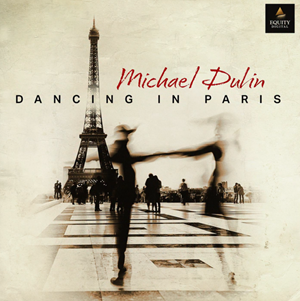
“Dancing in Paris” begins light and breezy, with Michael Dulin’s bright piano setting a mood that is comforting without asking you to swoon. The track has an appealing sense of motion. Its relaxed feel never becomes sleepy; there is a gentle push forward, as if the night might still have another stop after dinner.
URL: https://michaeldulin.net/
As it happens, Dulin had planned that kind of night. He had promised his wife Jan they would go to Paris, and eventually mapped out three weeks in France, ending with five days in the city. Their final evening would include dinner at Maxim’s, a jazz club, and a midnight waltz by the Eiffel Tower. Then Jan saw the itinerary and told him she would rather go to Italy.
It is a terrific story, though it could have landed the song in trouble. A tune conceived for such an extravagantly romantic evening might have come out drenched in sentiment. It is romantic, certainly, but the romance has good manners. It doesn’t insist on being the most important thing in the room. You can imagine it on in the background, then find yourself paying attention to the piano anyway. That is a more durable sort of charm.
That balance is harder to pull off than it sounds. Smooth jazz can be so determined to be easy on the ears that it forgets to go anywhere. Dulin keeps things reassuring while giving the music a reason to move.
The musicians help make that possible. Dulin, who also composed and produced the recording, plays piano and keyboards. James “PJ” Spraggins is on drums, Jeff Miguel plays soprano saxophone, and Scotty McDavid supplies horns and strings. Recorded in Birmingham, Alabama, the piece has the polish you would hope for from players of this caliber. The musicianship is top notch, but it serves the song’s welcome lack of fuss. There is room to appreciate the playing without feeling that anyone is stepping forward to demand applause.
Dulin’s background makes that restraint especially interesting. He was performing Schumann with the Alabama Symphony Orchestra at twelve and later studied at Juilliard with Adele Marcus. He has the technique to turn a piano feature into an exhibition. What makes this song pleasant company is his apparent willingness to let a clear, bright idea do its work. The piano gives the tune its personality; the warmth around it makes the invitation easy to accept.
And then there is the small joke tucked behind the title. Dulin planned a dance in Paris. Jan preferred Italy. He changed the trip, but kept the song, and you can hear why he would want to. It captures the hopeful part of making plans for someone you love, before real life has its say. Knowing how the story turned out adds a grin to the affection.
“Dancing in Paris” does not need its backstory to be enjoyable. The breezy opening, assured playing, and unhurried momentum are enough. But the story makes it memorable: a romantic gesture that took a detour and arrived as music instead. Paris can wait. This one is ready to play wherever they end up, even if you know nothing about Paris.
Mark Druery